
Trust is the primary foundation in the pharmaceutical industry. Each injection, syrup, tablet, or capsule needs to be reliable, safe, and consistent. GMP in the pharmaceutical industry becomes crucial at this point.
A system known as good manufacturing practice (GMP) ensures that goods are manufactured and managed continuously in compliance with quality standards. Good manufacturing practices in pharmaceutical industry are crucial because they reduce the hazards associated with pharmaceutical processes, such as custom radiolabeling, which could endanger customers if proper quality control isn’t in place.
Adopting GMP is crucial, whether a business produces medications in-house or collaborates with pharma contract manufacturing partners.
What is GMP in the Pharmaceutical Industry?
GMP in pharmaceutical industry is a set of rules, policies, and practices used to ensure that pharmaceutical products are manufactured and handled in compliance with quality standards. From obtaining raw materials to distributing the finished product, GMP covers all aspects of industrial processes.
GMP primarily aims to minimize risks that cannot be eliminated solely through final product testing. The term “GMP pharmaceutical” refers to all components that ensure manufacturing is safe, including trained personnel, approved machinery, clean facilities, thorough documentation, and stringent quality control procedures.
Difference Between GMP and cGMP
People frequently use the terms GMP and current good manufacturing practices (cGMP) synonymously, but the two differ slightly. GMP: explain the general standards, and the “current” version of these standards is represented by cGMP in the pharma industry.
- The fundamental regulatory framework established by organizations such as the FDA is known as GMP.
- cGMP emphasizes adopting modern technologies and procedures, as well as ongoing improvement.
Consistent quality is the goal of both cGMP pharma and good manufacturing practices in the pharmaceutical sector, but cGMP establishes a higher standard.
Importance of GMP in Pharmaceutical Manufacturing
It is impossible to overestimate the significance of GMP in pharmaceutical industry. It is a grave error to undervalue GMP in the production of pharmaceuticals. First and foremost, noncompliance with GMP could pose serious health risks to customers who use the manufactured product.
Customers cannot determine on their own whether a product is dangerous to them. For customers to have confidence in the items they use, appropriate GMP requirements must be adhered to.
If a company allows a dangerous product onto the market, it may face costly legal action, license revocation, and reputational damage.
You also risk having your items recalled if you don’t adhere to GMP. Product recalls are a waste of time, money, and resources for your company. Unfortunately, if you have been using the same non-GMP-compliant producers, a recall of a single batch typically means all your products are tainted.
Compliance becomes even more crucial for businesses that use third-party pharma manufacturers or pharma contract manufacturing.
GMP Implementation in Pharma Companies
To successfully implement GMP in the pharmaceutical industry, planning, training, documentation, and continual monitoring must occur; GMP is an ongoing effort, not a one-time event. Pharmaceutical companies typically implement GMP in the following ways:
Quality team: Form a team of experienced employees who will focus on improving current practices while adhering to GMP. The members will do operational quality assessments to identify any issues and develop appropriate corrective actions.
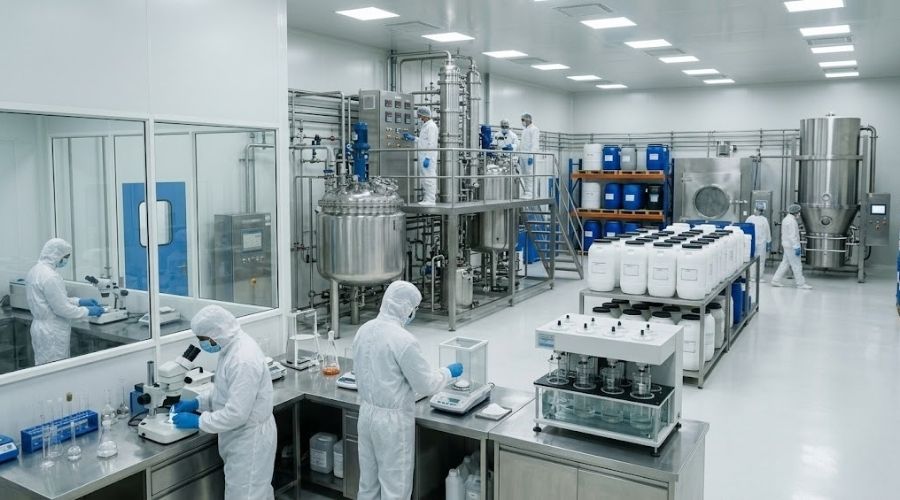
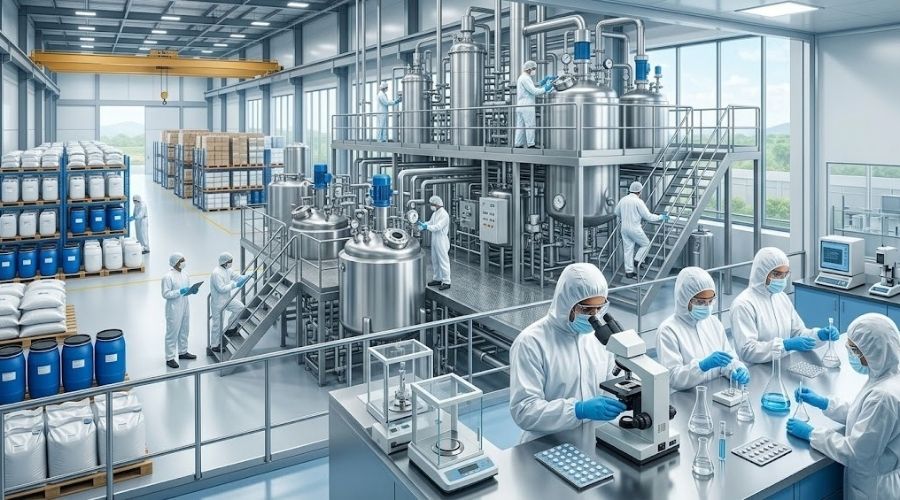
Good facilities and equipment: Manufacturing facilities should be clean, free of contamination, and logically organized, with sterilizing installations, temperature monitoring, airflow systems, and verified equipment.
Standard Operating Procedures: GMP criteria require companies to create and implement standard operating procedures (SOPs). Every stage of the manufacturing process, from acquiring the raw materials to packing, is covered in detail in these SOPs. SOPs are designed to reduce the possibility of production errors.
Guidelines for Personnel: GMPs also include hygienic and training protocols for personnel. These are particularly necessary in settings such as creams and ointments, where GMP for semi-solid manufacturing mandates strict inherent controls to prevent contamination. These guidelines aim to enhance product safety and quality by reducing the likelihood of contamination.
Benefits of GMP in the Pharmaceutical Industry
GMP in pharmaceutical industry has many advantages that go well beyond compliance. They establish a comprehensive culture of dependability and quality.
Improved Product Safety: Good manufacturing practices are the primary means of improving product safety. When followed in the manufacturing process, GMP practices reduce the likelihood of contamination, cross-contamination, and errors.
Improved Customer Confidence: Displaying GMP compliance shows your commitment to safety and quality, which can bolster customer confidence in your product. If customers believe your products are safe and effective, they are more likely to remain customers.
Develops Market Reputation: Physicians, patients, regulators, and foreign customers have greater confidence in a business that adheres to GMP pharmaceutical procedures.
Promotes International Export Prospects: Many nations refuse to import medications manufactured by firms that do not comply with GMP guidelines. Businesses with GMP certification have a wider worldwide reach.
GMP (Good Manufacturing Practices) Regulation and Guidelines in India
GMP mainly regulates the pharmaceutical industry in India:
GMP Standards in India: Schedule M of the Drugs and Cosmetics Rules, 1945, sets out GMP requirements in India.
WHO-GMP: In addition, Indian companies must also follow WHO-GMP regulations (particularly for exporting products).
Other Standard Certifications: There is often a requirement to comply with US FDA, EU-GMP, MHRA (UK), and TGA (Australia) standards when entering foreign markets.
These regulations ensure that Indian manufacturers comply with international standards. Whether an organization manufactures its own products or works with third-party pharmaceutical manufacturers, the corporation must comply with Indian GMP regulations.
Future of GMP in Pharma
The GMP in pharmaceutical industry is changing quickly. GMP standards are becoming increasingly intelligent, digital, and science-based as global expectations and technological advancements grow.
The incorporation of digital technologies is set to alter GMP compliance, as devices such as artificial intelligence (AI) and machine learning offer novel approaches to improve quality control, anticipate potential compliance issues, and optimize production processes.
Another crucial area of development is the global harmonization of GMP standards. There has never been a greater need for a single set of standards, given that the pharmaceutical sector operates globally.
Conclusion
The GMP is expected to undergo significant transformation as the pharmaceutical sector evolves. Modernization, global harmonisation, and sustainability efforts are set to drive a remarkable transformation in pharmaceutical manufacturing. As these events unfold, they will be important in taking the industry toward the fundamental goal of GMP—to protect public health by assuring the efficacy, safety, and quality of pharmaceuticals.