
Partner with Nutraceutical Manufacturing Experts
The health and wellness market is changing fast, and nutraceuticals are central to many consumers’ daily routines. This page explains how focused nutraceutical contract manufacturing helps brands scale reliably from formulation and testing to packaging and global compliance. Many companies stall because they can’t find dependable partners for quality production; that gap slows growth and market entry. By choosing an experienced contract manufacturer, you protect product safety, preserve brand trust, and speed time-to-market. Below we outline the benefits of expert services, the full manufacturing lifecycle, product types, regulatory essentials, market trends, and how GCCPL Pharmaceuticals can support your projects.
Why choose specialized nutraceutical contract manufacturing?
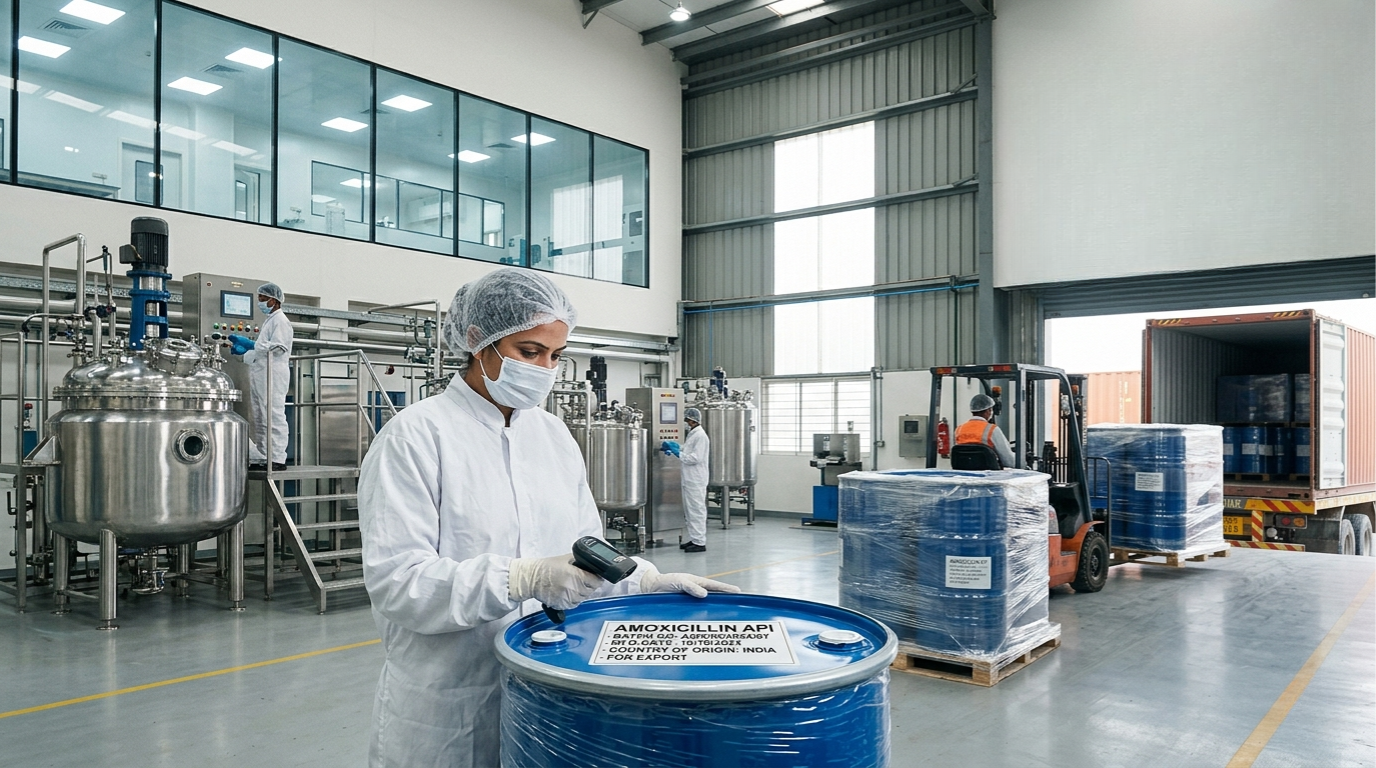
Working with an experienced nutraceutical contract manufacturer raises the standard of your finished product and improves market readiness. Specialized providers deliver tailored formulations, strict quality controls and technical expertise — so your product performs as intended and meets regulatory expectations. With modern facilities and process know-how, manufacturers help brands move from concept to shelf with confidence.
What distinct advantages do GCCPL’s nutraceutical manufacturing services deliver?
GCCPL Pharmaceuticals brings specific strengths to nutraceutical manufacturing, including:
- Custom formulations: Bespoke recipes developed to match your efficacy, stability and delivery goals.
- Modern production: Up-to-date equipment and validated processes that protect product integrity.
- Regulatory and technical expertise: Experienced teams who translate scientific and regulatory requirements into reliable manufacturing outcomes.
These capabilities make GCCPL a practical partner for brands that need consistent quality and predictable timelines.
How does WHO‑GMP certification protect quality and compliance?
WHO‑GMP certification demonstrates that a facility follows internationally recognized good manufacturing practices. It’s a practical indicator that processes, documentation and quality controls meet global expectations for safety and consistency.
The main benefits of WHO‑GMP include:
- Consistent quality: Routine audits and documented controls reduce variability across production batches.
- Regulatory alignment: Processes designed to meet many global authorities’ requirements, easing market entry.
- Stronger credibility: Certification reassures partners and consumers that products are made under controlled conditions.
Partnering with a WHO‑GMP–certified manufacturer like GCCPL helps brands meet both regulatory demands and customer expectations.
Industry analysis consistently emphasizes how GMP frameworks protect product safety and help businesses meet regulatory and consumer expectations.
GMP & Safety in Nutraceutical Manufacturing for Business Success
Good manufacturing practices establish the operating and environmental standards needed to produce safe consumables. GMP coordinates facility areas — from processing and packaging to storage and distribution — to maintain product safety at every stage. For manufacturers of functional foods and nutraceuticals, following GMP reduces safety risks, improves customer satisfaction, and supports regulatory approval and long‑term business continuity.
Good manufacturing practices and safety issues in functional foods and nutraceuticals, A Walia, 2022
What is the end‑to‑end nutraceutical contract manufacturing process?
The full contract manufacturing lifecycle contains defined steps that ensure a product is safe, effective and market‑ready. Understanding each stage helps you select the right partner and plan timelines and investments.
- Initial consultation: We review your goals, target claims, formats and timelines.
- Formulation development: R&D designs and optimizes the formula for efficacy, stability and manufacturability.
- Testing & quality control: Raw material checks, in‑process controls and final testing validate safety and potency.
- Production: Scaled manufacturing using validated equipment and controlled processes.
- Packaging & labeling: Compliance‑driven packaging solutions that protect the product and meet market rules.
This structured approach ensures every stage is managed to deliver high‑quality nutraceuticals consistently.
How are custom nutraceutical formulations developed and tested?
Developing custom formulations is a collaborative, evidence‑based process that combines ingredient science with practical testing:
- Ingredient selection: We source bioavailable, traceable ingredients aligned to your product goals.
- Formulation trials: Iterative trials establish optimal concentrations, delivery forms and stability.
- Testing protocols: Stability, microbiology and potency testing confirm safety and shelf life before scale up.
These steps reduce technical risk and increase the likelihood that the finished product matches its claims.
What packaging and labeling options are available for nutraceuticals?
Packaging and labeling play both protective and commercial roles. GCCPL provides:
- Custom packaging: Formats and finishes that suit the product, brand and distribution channel.
- Label compliance: Labels designed to meet ingredient disclosure, claims and country‑specific requirements.
- Sustainable choices: Eco‑conscious options for brands prioritizing environmental impact.
Thoughtful packaging preserves product quality and supports consumer trust at the point of sale.
Which nutraceutical product categories can be manufactured?
GCCPL manufactures a range of nutraceutical formats to meet diverse market needs, including:
- Health supplements: Capsules, tablets, powders and liquids formulated for specific health outcomes.
- Functional foods: Food products fortified with targeted nutrients to support daily wellness.
These categories cover many consumer preferences and distribution channels.
What are the key features of multivitamins and immunity boosters?
Multivitamins and immunity products remain core nutraceutical offerings because they deliver clear consumer benefits:
- Essential nutrition: Provide vitamins and minerals to fill dietary gaps.
- Immune support: Formulated with ingredients shown to support immune function and resilience.
- Convenient delivery: Available in capsules, tablets and powders that fit daily routines.
These attributes make them accessible and broadly appealing to health‑minded consumers.
How are functional foods and dietary supplements produced?
Production follows controlled steps to protect efficacy and compliance:
- Ingredient sourcing: Suppliers are evaluated for quality, traceability and consistency.
- Manufacturing processes: Techniques tailored to each format preserve potency and stability.
- Quality control: Comprehensive checks at raw material, in‑process and finished product stages.
Rigorous controls throughout manufacturing help ensure products meet consumer and regulatory expectations.
How does GCCPL support global regulatory compliance for nutraceuticals?
GCCPL helps clients navigate international regulatory frameworks by combining compliance know‑how with practical documentation and market guidance. That support reduces time‑to‑market and minimizes avoidable regulatory hurdles.
Still, the global nutraceutical market faces friction from inconsistent regulations and variable manufacturing quality, which complicate cross‑border trade.
Navigating Global Nutraceutical Regulations & Quality Challenges
The global nutraceutical market is expanding rapidly, but growth is sometimes constrained by inconsistent manufacturing quality and disparate regulations that create trade barriers. While many countries have rules governing nutraceuticals, those frameworks differ widely and lack global harmonization, which complicates international market access.
Nutraceuticals: A comparative analysis of regulatory framework in different countries of the world, 2020
Which international certifications and standards are followed?
GCCPL adheres to several internationally recognized standards to support market entry and product confidence, including:
- WHO‑GMP: Good manufacturing practice standards for safe production.
- ISO 9001: Quality management systems that improve operational consistency.
- FDA compliance: Processes aligned with U.S. dietary supplement requirements for products intended for the U.S. market.
These credentials help products meet regulatory checks and buyer expectations across markets.
How is regulatory support provided for different markets?
GCCPL offers regulatory support tailored to each market by:
- Market guidance: Advising on local rules and submission requirements.
- Documentation support: Preparing technical dossiers and product files for regulatory review.
- Ongoing updates: Helping clients adapt to evolving regulations and standards.
This hands‑on approach reduces surprises when entering new markets.
What are the latest market trends and growth drivers in nutraceutical manufacturing?
The sector is growing and shifting in predictable ways. Recognizing these trends helps brands prioritize investment and innovation.
How is the global nutraceutical contract manufacturing market evolving?
Key market forces include:
- Rising consumer demand: Greater focus on health maintenance and targeted supplements fuels volume growth.
- Formulation innovation: New delivery systems and ingredient science expand product potential.
- Sustainability and transparency: Consumers favor ethically sourced ingredients and eco‑friendly packaging.
Together, these trends create opportunities for brands that can deliver trusted, differentiated products.
What role do functional foods and preventive healthcare play?
Functional foods and preventive healthcare are integral to modern wellness strategies:
- Health promotion: Fortified foods supply extra nutrients to support everyday health.
- Disease prevention: Dietary strategies can reduce long‑term chronic risk when combined with healthy lifestyles.
- Consumer education: Informing customers about benefits drives adoption and long‑term use.
As preventive care gains traction, nutraceuticals become a practical tool for public and personal health strategies.
How can pharma companies and wellness brands partner with GCCPL?
Pharma and wellness brands partner with GCCPL to access technical capabilities, regulatory support and scalable manufacturing. Collaboration can shorten development cycles and strengthen product reliability.
What are the steps to initiate a nutraceutical manufacturing partnership?
Starting a partnership typically follows a clear sequence:
- Initial contact: Reach out to discuss objectives and timelines.
- Needs assessment: We evaluate formulation, volume and regulatory requirements.
- Contract & kickoff: Agree terms, finalize technical specs and begin development.
These steps set expectations and keep projects on track from day one.
Are there case studies demonstrating successful client collaborations?
GCCPL’s client work highlights practical outcomes across development and launch phases, including:
- Product development wins: Successful new formulations taken from concept to production.
- Market expansion: Clients reaching new geographies with compliant products.
- Positive client feedback: Testimonials that reflect delivery, quality and responsiveness.
These examples show how a reliable manufacturing partner can help brands scale safely.
| Step | Description | Outcome |
|---|---|---|
| Initial Consultation | Discuss client needs and product specifications | Clear understanding of project scope |
| Formulation Development | Create custom formulations | Tailored products that meet client requirements |
| Quality Control | Conduct rigorous testing | Assurance of product safety and efficacy |
| Certification | Standard | Importance |
|---|---|---|
| WHO-GMP | Good Manufacturing Practices | Ensures product quality and safety |
| ISO 9001 | Quality Management Systems | Enhances operational efficiency |
| FDA Compliance | Dietary Supplement Regulations | Meets legal requirements for market entry |
GCCPL Pharmaceuticals is positioned as a dependable manufacturing partner for nutraceutical brands. By combining technical capabilities, compliance experience and production discipline, companies can reduce risk and accelerate market entry in the growing nutraceutical sector.
Frequently Asked Questions
What should I consider when selecting a nutraceutical contract manufacturer?
Focus on experience in your product category, documented quality systems (like WHO‑GMP and ISO 9001), manufacturing capacity and technical capabilities. Also review their regulatory support, packaging options and client references to confirm reliability and fit.
How can businesses ensure the safety and efficacy of their nutraceutical products?
Implement a robust quality program that includes supplier qualification, raw material testing, in‑process controls, stability studies and final product testing. Work with a manufacturer that follows GMP and can provide independent test data and traceability records.
What role does consumer feedback play in product development?
Consumer input guides formulation, flavor and format decisions. Use surveys, trials and pilot launches to learn preferences and improve product fit. Addressing feedback early increases satisfaction and repeat purchase rates.
What are the main challenges in the global nutraceutical market?
Key challenges include uneven regulatory frameworks across countries, maintaining consistent ingredient quality, and overcoming consumer skepticism about claims. Strong quality systems and transparent sourcing help mitigate these risks.
How can companies stay current on nutraceutical trends?
Monitor industry reports, attend trade shows and conferences, follow regulatory updates, and engage with scientific literature. Networking with suppliers and industry experts also uncovers emerging ingredient and formulation trends.
What are the benefits of sustainable practices in nutraceutical manufacturing?
Sustainable sourcing and packaging strengthen brand reputation, meet consumer expectations and can reduce costs over time. Sustainability initiatives also lower environmental impact and support long‑term supply resilience.