
People are more aware of health-related issues now than they were in the past. As consumers, we always wish to feel sure that the drugs we take are effective and do not harm us: it is therefore most essential that the pharmaceutical company should enjoy a reputation for honesty and follow well-recognised international rules.
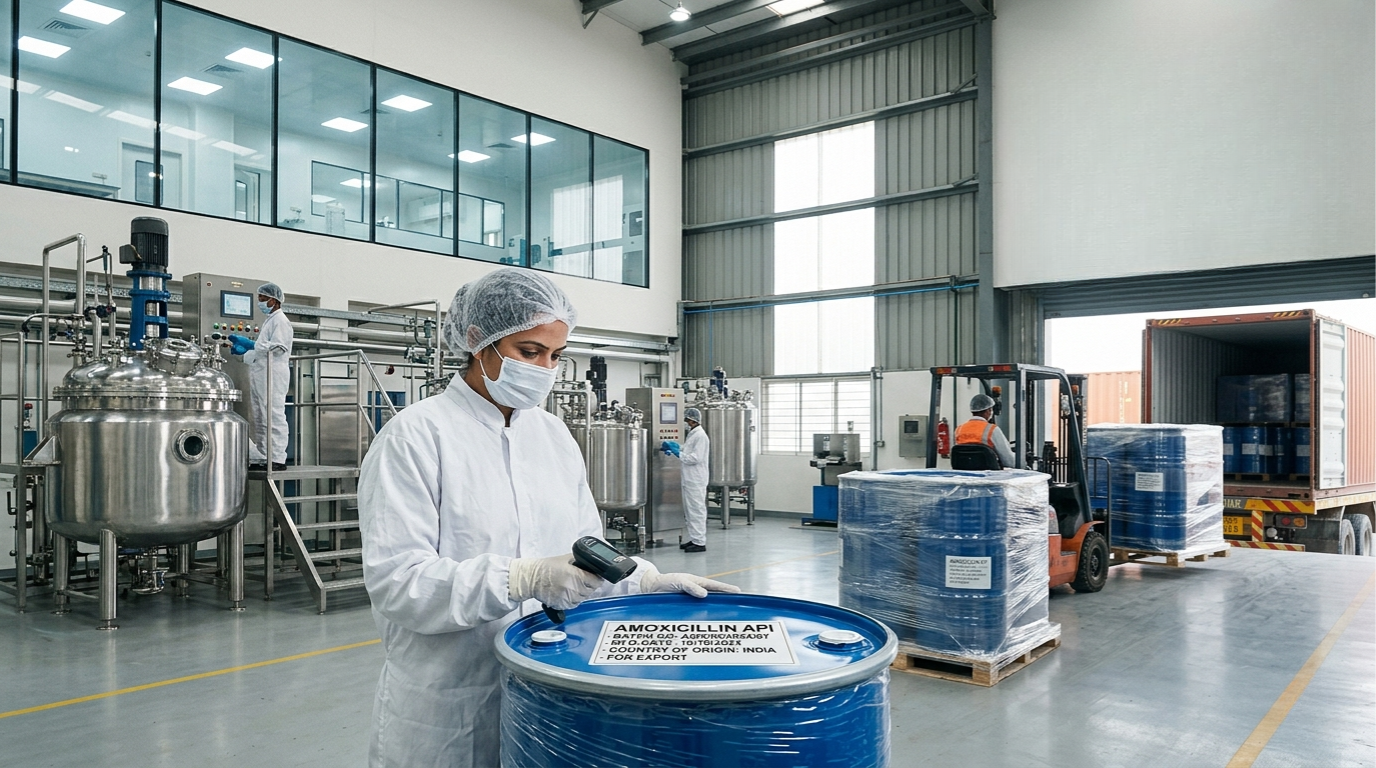
Although there are numerous pharmaceutical firms, GMP certified pharma manufacturers in India are the standard for genuine quality.
The pharmaceutical sector is essential to upholding and enhancing international health standards, for business owners hoping to flourish in the pharmaceutical franchise industry, collaborating with a GMP-certified pharma manufacturer in India is crucial, as demand for safe, effective, and high-quality medications continues to grow.
This blog explains the importance of GMP certification, how to verify it, and the warning signs to look out for.
Why GMP Certification Matters When Choosing a Pharma Manufacturer
The foundation of drug manufacturing compliance in the international pharmaceutical industry is Good Manufacturing Practices (GMP). GMP regulations ensure that pharmaceuticals are manufactured, monitored, and tested continuously in accordance with strict quality requirements.
By promoting trust and ensuring patient safety, GMP in the pharmaceutical industry helps achieve that goal. GMP is crucial since it:
- Avoids contamination.
- Ensures accurate dosing.
- Reduces errors in manufacturing.
- Maintains the batch consistency.
- Improves record-keeping and traceability.
- Ensures compliance with international export rules.
The only way to ensure that your pharmaceutical manufacturing process is safe, scalable, and ready for export is to have Good Manufacturing Practices (GMP) certification.
Types of GMP Certifications You Must Verify (India + Global)
Not every GMP accreditation is equally important. Buyers need to verify which regulatory agencies have granted the approvals when assessing a GMP-certified pharma manufacturer in India.
Some of the critical GMP Certifications in India:
WHO-GMP and Schedule M: The WHO’s Global Guidelines provide the basis for the WHO GMP Certificate, which certifies that a manufacturing company’s plant and methods meet the world’s internationally recognized safety and quality standards.
Cosmetics GMP: To protect the consumer, cosmetics, including shampoos, soaps, and lotions, must be manufactured correctly. The cosmetic GMP regulations ensure that these products are manufactured safely and are likewise harmless to the skin.
AYUSH GMP (Schedule T): The Ministry of AYUSH oversees products such as Ayurvedic, Unani, and Siddha medicines. There are regulations covering various aspects of production, including how to obtain raw materials, how to design your facility, basic sanitation practices, employee qualifications, and replicable batch production records.
Global GMP Certifications to Look For:
WHO GMP: It is used to ensure basic quality standards in over 100 countries, mostly in developing regions.
EU GMP (European Union): Similar to cGMP in the US, with guidelines for the production, sale, and import of pharmaceuticals across the EU.
US FDA cGMP (Current Good Manufacturing Practice): Guidelines are enforced by the FDA for products sold in the US. Regulatory authorities reference the most widely used GMP guidelines in the 21 CFR Part 210 and 211.
Step-by-Step Checklist to Select a GMP-Certified Pharma Manufacturer in India
Selecting the right partner in the GMP guidelines of the pharma industry requires more than just examination. Below is a helpful due diligence framework.
Step 1: Verify the GMP Certificate Authenticity:
Ask the granting authority for the recent GMP certificate and confirm it immediately. Verify again:
- Dates of the certificate validity.
- Certification scope (product category and facility).
- Issuing authority for the regulations.
The best GMP-certified pharma manufacturer in India will always freely share the certificates and the inspection reports. Steer clear of vendors who are reluctant to provide documentation.
Step 2: Check Manufacturing Capabilities:
Always verify that you have selected a facility that meets the requirements for both the size and the variety of products by reviewing the following areas:
- Formulation type (like ointment, syrup, tablets, and capsules).
- APIs – Knowledge of Formulating & Sourcing API’s.
- Cleanroom standards and automation level.
Verify whether they provide pharma contract manufacturing or function as third-party pharma manufacturers for private-label production if you intend to outsource production.
Step 3: Quality Control & Testing Infrastructure:
For drug manufacturing compliance, robust in-house testing facilities are necessary. Review:
- Laboratories for analytical testing.
- Laboratories for microbiology.
- Chambers for testing stability.
The last line of defense for product safety in the pharmaceutical industry under GMP is quality control.
Step 4: Regulatory & Compliance History:
Past compliance behavior predicts future dependability. Check:
- Regulatory inspection history.
- Recalls of products (if any).
- Export past events to controlled markets.
The best GMP-certified pharma manufacturer in India would have a clear regulatory communication history and a spotless compliance record.
Step 5: Documentation & Transparency:
The core of GMP guidelines in the pharma industry sector is documentation. Make sure the producer offers:
- Records of batch manufacturing.
- Procedures for validation.
- High-quality guides.
Documentation transparency is a sign of excellent drug manufacturing compliance culture and operational maturity.
Red Flags to Avoid While Shortlisting GMP Pharma Manufacturers
The foundation of regulated businesses is Good Manufacturing Practices (GMP); however, even minor errors can result in serious compliance problems. Stay away from manufacturers who are:
Documentation that has been missing or is Incomplete: If no one documented it, it didn’t happen.
Lack of Proper Training: Teams must periodically review SOP (Standard Operating Procedures) documents to ensure they accurately reflect current practices; therefore, they must conduct retraining upon completion and regularly assess competency.
Inadequate Cleaning and Sanitation Practices: Residues that pose a potential contamination risk.
Defects Without Adequate Research: “Human error” isn’t always the true culprit.Copies lying around: Do they mean outdated or uncontrolled procedures? That is a warning sign.
Why Indian GMP-Certified Pharma Manufacturers Are Preferred Globally
Globally, Indian GMP-certified pharmaceutical companies are favored because they offer premium, legally compliant drugs at 30–60% lower prices than their Western counterparts. India’s strength as the world’s largest supplier of vaccine and generic drugs stems from its large, and highly skilled workforce, enormous production capacity, and cutting-edge R&D, making it a dependable partner in the global healthcare industry.
Indian GMP-certified producers are preferred worldwide for several important reasons, including:
Affordable Manufacturing: Reasonably low labor, raw material, and operating costs enable economical, high-quality manufacturing.
Immense Manufacturing Scalability: India can handle everything from small-scale clinical trials to large, low-cost commercial manufacturing, ensuring a predictable and steady supply chain.
Scientific Manpower: The availability of a large and highly trained pool of scientists, chemists, and engineers for the manufacture of the more sophisticated products – biologics and generics.
Conclusions
Choosing the best GMP-certified pharma manufacturer in India is a calculated move that has an immediate impact on brand trust, regulatory success, and product quality. Buyers can reduce risk and ensure a sustainable supply by verifying certificates, assessing capability and capacity, and reviewing quality infrastructure with compliance history.By partnering with a GMP-compliant facility, you can be assured that your products meet the international standards, whether you choose a pharma contract manufacturing or work with third-party pharma manufacturers.