The global demand for antidiabetic drugs has never been higher. With over 589 million adults living with diabetes worldwide and that number projected to cross 853 million by 2050, pharmaceutical companies are under growing pressure to secure reliable, high-quality active pharmaceutical ingredients. Among the most sought-after compounds in this space is Empagliflozin, a clinically proven SGLT2 inhibitor that has transformed how the world manages type 2 diabetes and related cardiovascular conditions.
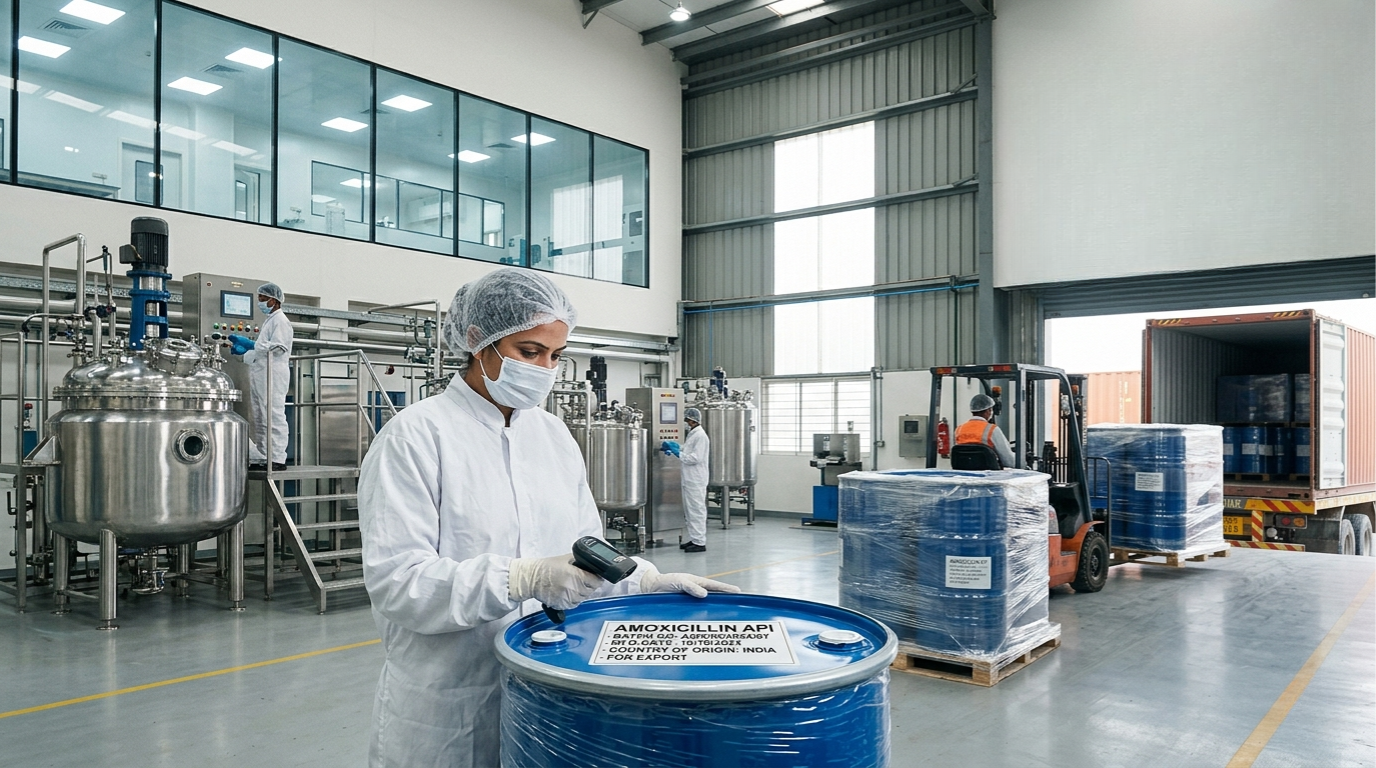
India sits at the center of this supply chain. As one of the world’s largest producers of generic medicines and a pharmaceutical API supplier in India, the country offers unmatched infrastructure, regulatory expertise, and cost efficiency.
India supplies approximately 20% of global generic medicines, with hundreds of WHO-GMP and US FDA-certified API units spread across dedicated pharmaceutical manufacturing corridors. Yet the sheer volume of suppliers available makes careful evaluation more important than ever.
Knowing how to identify the right Empagliflozin API manufacturer in India is critical to your product’s quality, compliance, and commercial success. This guide walks you through the essential criteria every pharmaceutical buyer must assess before signing a supply agreement.
What Is Empagliflozin and Why Does It Matter?
Empagliflozin is a selective sodium-glucose cotransporter 2 (SGLT2) inhibitor. It works by blocking the SGLT2 protein in the proximal tubule of the kidney, which reabsorbs approximately 90% of filtered glucose. By inhibiting this transporter, Empagliflozin reduces glucose reabsorption and promotes its excretion through urine, lowering blood sugar levels in an insulin-independent manner.
The US FDA first approved Empagliflozin on August 1, 2014, under the brand name Jardiance. Since then, its approved indications have expanded to include cardiovascular death risk reduction in adults with established cardiovascular disease, heart failure management, and nephroprotection in patients with chronic kidney disease.
Among the three major FDA-approved SGLT2 inhibitors, empagliflozin has the greatest selectivity for SGLT2 over SGLT1, which contributes to its favorable clinical profile.
The Empagliflozin active pharmaceutical ingredient market was valued at USD 1.5 billion in 2024 and is projected to reach USD 3.5 billion by 2033 at a CAGR of 10.0%. Following the patent cliff in early 2025, generic manufacturers entered the market rapidly, creating both opportunities and quality risks for pharmaceutical buyers globally.
Why India Is the Right Sourcing Destination?
India contributes approximately 20% of global generic medicine exports and houses over 1,500 WHO-GMP and US FDA-certified API manufacturing plants across Gujarat, Andhra Pradesh, Telangana, and Maharashtra. Indian diabetes API manufacturers in India combine scientific depth, large-scale production capacity, and competitive pricing, making them preferred partners for buyers across regulated and semi-regulated markets.
India’s pharmaceutical manufacturing ecosystem is also supported by government-backed initiatives to boost domestic API production and reduce import dependence, further stabilising global procurement partners. With the SGLT2 inhibitor segment expanding into cardiovascular and renal indications, the importance of selecting the right Empagliflozin API production company from the outset has never been greater.
Key Factors to Evaluate Before Choosing a Supplier
The key factors to evaluate before choosing a supplier are:
1. GMP Certification and Regulatory Compliance
The most fundamental criterion when evaluating any Empagliflozin API GMP manufacturer is the authenticity and scope of their Good Manufacturing Practices certification. Look for suppliers certified under WHO-GMP, US FDA cGMP, or EU GMP standards.
In the Indian context, WHO-GMP certification is the baseline, while US FDA compliance is essential for suppliers targeting regulated markets. Always verify the validity dates, scope of certification, and issuing authority before proceeding. A trustworthy manufacturer will proactively share these documents rather than waiting to be asked and will also be open to third-party audits.
Compliance also extends to ICH Q7, the internationally recognized standard governing API-specific manufacturing practices, including impurity profiling, process validation, and change control documentation protocols. A manufacturer that references ICH Q7 alignment in their quality agreements signals a higher level of technical maturity and export readiness to regulated global markets.
2. API Purity, Impurity Profiling, and Batch Consistency
The Empagliflozin API is chemically complex and requires controlled synthesis conditions, including moisture-sensitive and temperature-controlled environments. When evaluating an Empagliflozin API wholesale supplier, always request a detailed Certificate of Analysis for each batch, including residual solvent data, impurity profiles, and ICH Q1 stability reports.
A purity level exceeding 99% is the accepted benchmark for pharmaceutical-grade material. Batch-to-batch consistency is equally vital, particularly for fixed-dose combination products where any variation in API characteristics can compromise both patient safety and regulatory compliance.
3. Documentation Transparency and Drug Master File Status
A reliable certified empagliflozin API supplier maintains standard operating procedures, batch manufacturing records, process validation reports, and a formal API quality agreement defining specifications, testing responsibilities, change notification requirements, and audit rights.
The Drug Master File (DMF) or Certificate of Suitability (CEP) status of the supplier is equally critical, as these filings support your regulatory submissions to the US FDA, EMA, and other authorities. Always verify whether the supplier holds an active, up-to-date DMF covering the specific polymorphic form relevant to your product.
4. Research and Development Capability
Empagliflozin synthesis is a multistep process involving coupling reactions, C-glycosylation, deprotection, reduction, and crystallisation under stringent conditions. This complexity demands a supplier with genuine in-house R&D capability.
A capable SGLT2 inhibitor API manufacturer should support polymorphism control, process scale-up from pilot to commercial volumes, and post-approval change management. Suppliers with strong R&D teams become strategic partners rather than mere raw-material vendors, thereby directly reducing your time-to-market.
5. Supply Chain Reliability and Export Track Record
When sourcing high-quality Empagliflozin API for commercial formulation, supply continuity matters as much as product quality. Confirm whether the manufacturer dual-sources critical raw materials, maintains an adequate safety stock, and has a documented business continuity plan.
For buyers targeting regulated markets, an Empagliflozin API exporter with a clean regulatory history and no outstanding FDA warning letters or import alerts offers the strongest risk profile. Cross-referencing shortlisted suppliers against publicly available inspection databases is a due diligence step that some buyers overlook.
6. Analytical Infrastructure and Quality Control
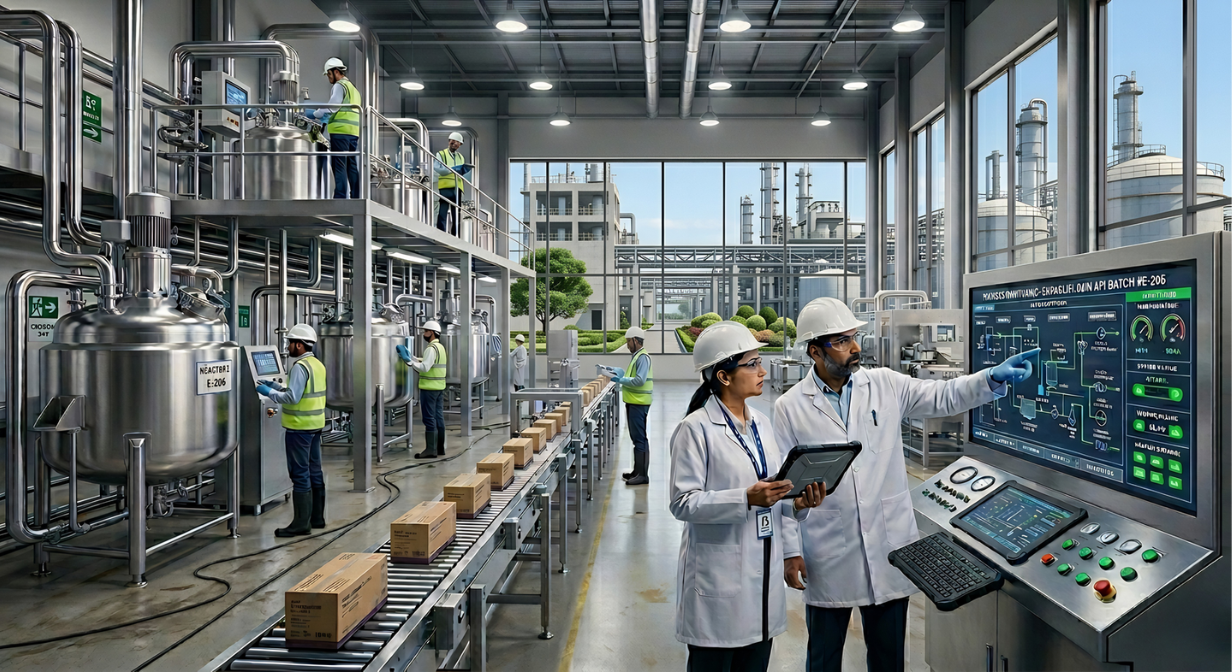
A credible Empagliflozin pharmaceutical manufacturer in India operates in-house quality control laboratories equipped with HPLC, GC-MS, NMR, and ICP-MS instrumentation for trace metal analysis. These analytical capabilities are essential for verifying API identity, purity, and safety before batch release. Well-organized, inspection-ready quality documentation signals a supplier culture that takes compliance seriously and will not create downstream regulatory exposure for your finished product.
7. Pricing Transparency and Partnership Terms
Selecting an Empagliflozin bulk drug supplier based primarily on price is a high-risk strategy. Low-cost suppliers that cut corners on GMP systems or analytical testing create far greater costs through batch rejections and regulatory delays. Request itemized pricing, minimum order quantities, and clear payment terms upfront. Willingness to discuss long-term supply agreements signals a commercially mature partner that offers both pricing stability and supply priority over time.
GCCPL: A Trusted API Partner in India
GCCPL Pharmaceuticals is a WHO-GMP-certified Indian pharmaceutical company with over four decades of experience in API manufacturing and global distribution. GCCPL lists empagliflozin under active development in its API portfolio, alongside a broad range of antidiabetics, anti-infectives, cardiovascular agents, and vitamins. Its manufacturing plants are equipped with automated systems and advanced analytical instrumentation, supported by comprehensive regulatory documentation. The company also offers integrated import-export services and a global distribution network, with long-standing partnerships with global names such as Alkem, Intas, Glenmark, and Simcere.
Choosing the right Empagliflozin API manufacturers in India is a decision with direct consequences for patient safety, regulatory outcomes, and commercial performance. India’s pharmaceutical manufacturing ecosystem offers world-class options for buyers who know what to look for. By systematically evaluating GMP certification, API purity, documentation integrity, R&D capability, supply chain resilience, analytical infrastructure, and pricing transparency, pharmaceutical buyers can identify a partner that delivers today and scales with them into the future. The expanding therapeutic scope of empagliflozin across type 2 diabetes, cardiovascular disease, and chronic kidney disease only strengthens the case for making this supplier evaluation as thorough as possible before committing to any long-term supply arrangement. For inquiries about Empagliflozin API capabilities and partnership opportunities, visit GCCPL Pharmaceuticals.
FAQs
Q1. Who are the manufacturers of Empagliflozin API in India?
India has several established Empagliflozin API manufacturers, including Dr. Reddy’s Laboratories, headquartered in Hyderabad, Morepen Laboratories, Neuland Laboratories, and Global Pharma Tek. Century Pharma in Vadodara, Gujarat is also a recognized manufacturer catering to both domestic and international buyers. GCCPL Pharmaceuticals is another WHO-GMP-certified option with Empagliflozin listed under active development, backed by four decades of API manufacturing experience and a global distribution network.
Q2. Why should I source Empagliflozin API from India?
India produces around 20% of global generic medicines and hosts over 1,500 WHO-GMP and US FDA-certified API manufacturing plants. Indian suppliers offer a strong combination of scientific expertise, large-scale production capacity, regulatory compliance, and competitive pricing making them a preferred sourcing destination worldwide.
Q3. What is the price of Empagliflozin API in India?
Prices vary based on order quantity, purity grade, and supplier compliance level. Some suppliers list it at around ₹5,400 per kg, while USP-grade material can go up to ₹6,500 per kg. Export-grade API supplied to regulated markets commands higher pricing. For volume-specific quotes, it is best to contact manufacturers like GCCPL Pharmaceuticals directly, as bulk orders typically attract better pricing.
Q4. What are the key specifications of Empagliflozin API?
Empagliflozin has the molecular formula C₂₃H₂₇ClO₇ and a molecular weight of 450.91, with CAS number 864070-44-0. It is a white crystalline solid with a purity of ≥99% by HPLC, stored below 25°C with a shelf life of 24 months. It meets USP/EP/BP pharmacopoeial standards and is supplied with a full CoA and DMF documentation.