
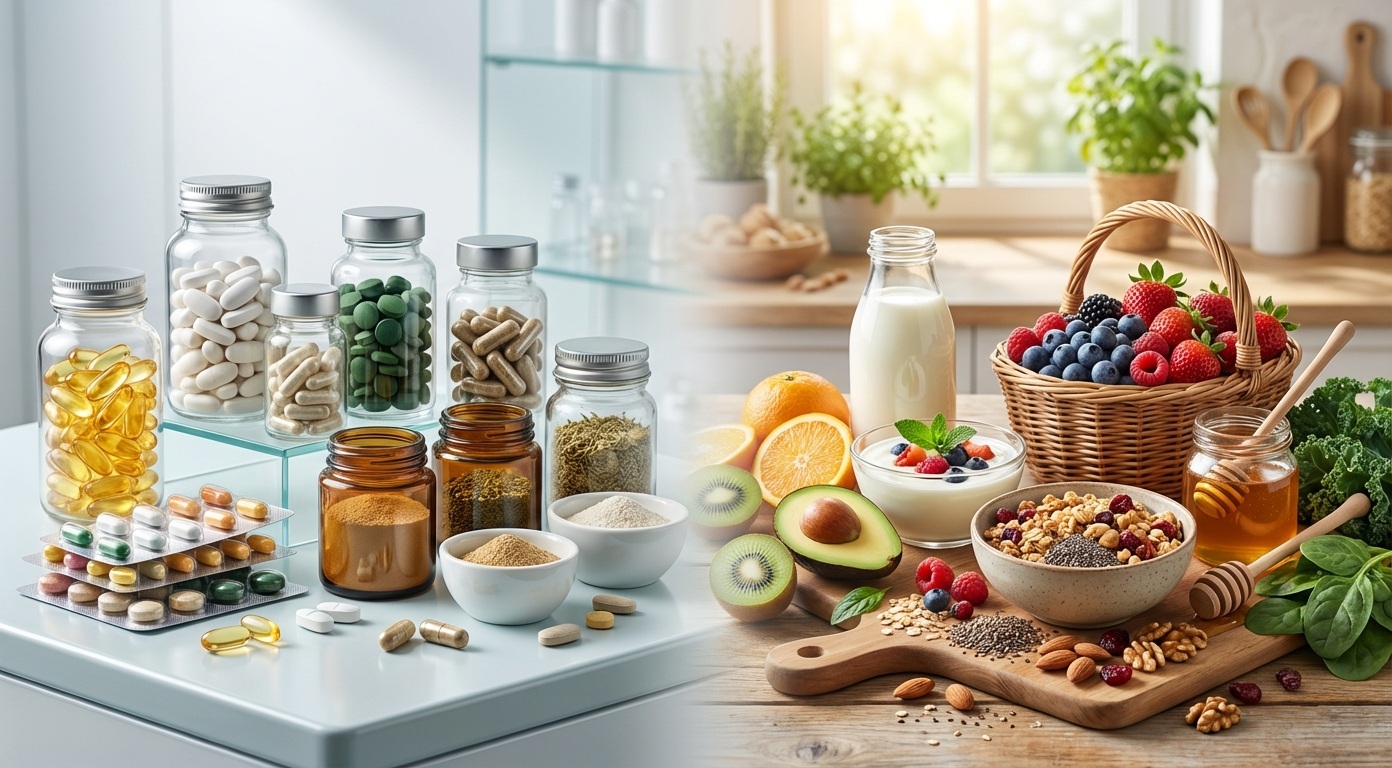
Nutraceutical and functional foods are nutrient-rich products you need in your diet to get all the benefits, prevent yourself from diseases, and increase your immunity. To better understand nutraceuticals and functional foods, read the blog in its entirety.
What Are Nutraceuticals?
Nutraceuticals are pharmaceutical ingredients derived from food sources. These are rich in health benefits that go beyond basic nutritional value. Nutraceutical components bridge the gap between food and medicine by combining the two. This term was introduced by Stephen DeFelice in 1989.
These components come in various forms, such as capsules, liquids, tablets, and fortified food products. The purpose of these is to increase immunity and prevent diseases. Examples of nutraceuticals include probiotics, omega-3 fatty acids, herbal extracts, and vitamin supplements.
To support the healthcare and wellness market in India, GCCPL established its nutraceutical division in 1999.
Since then, this division has been working to introduce speciality and innovative ingredients, backed by global benefits and scientific methodologies, into Indian food practices. Hence, GCCPL now stands as a trusted supplier of botanical extracts and a private-label dietary supplement manufacturer.
What Are Functional Foods?
Functional foods are dietary items that provide benefits beyond basic nutritional value. These foods help reduce the risk of disease, improve digestion, and boost immunity. Functional foods are divided into two categories: conventional (whole foods like fruits, vegetables, nuts, and seeds) and modified (fortified or enhanced) foods.
Functional food examples include fruits (antioxidant-rich berries), vegetables (kale, spinach, and broccoli), seeds and nuts (almonds, walnuts, chia, and flax), dairy alternatives (fortified milk and yoghurt rich in probiotics), and grains (oats and brown rice).
According to a WHO report, nearly 40% of deaths are caused by nutrient deficiencies. There was an urgent need for nutrient-rich components to be consumed by everyone. This was a great opportunity for botanical extract suppliers and supplement manufacturers to make a notable impact.
Key Differences Between Nutraceutical and Functional Food
Nutraceuticals and functional foods both boost immunity and provide the nutrients our bodies need to stay healthy and function well. The nutraceutical vs functional food differences are discussed below:
Form and Appearance
- Nutraceutical products look like pharmaceutical products and come in capsule, tablet, and liquid forms.
- But functional foods resemble conventional food items and are also consumed as part of the meals we eat every day.
Concentration
- The nutraceutical products have higher concentrations of bioactive components, offering significant value to consumers.
- Functional foods have lower concentrations of bioactive components. They are naturally rich in nutrients or are infused with lesser concentrations.
Purpose
- As nutraceutical products are a combination of pharmaceutical products and conventional foods, their purpose is to support a specific goal, such as preventing disease or alleviating symptoms.
- The purpose of functional foods is to enhance the consumer’s overall well-being. They act on the overall health system of the people.
Source
- The nutraceutical components are sourced from natural products and infused into pharmaceutical products.
- Functional foods are whole foods or fortified food products.
Regulations and Permissions
- The nutraceutical components are not fully pharmaceutical products but are partial pharmaceutical products, so they must comply with certain regulations and guidelines.
- Whereas functional foods are natural products, manufacturers in this category must follow dietary supplement guidelines.
Health Benefits and Applications of Nutraceuticals and Functional Foods
Nutraceuticals and functional foods differ, as discussed above, but both help improve people’s health. Here are the benefits of consuming the nutraceuticals and functional foods:
Benefits of Nutraceuticals
- The nutraceuticals are targeted precisely according to their purpose. The best feature is that it has both nutritional value and a medicinal component (bioactive components).
- Bioactive components such as carotenoids, collagen hydrolysate, and dietary fibres are very effective for human health.
- These nutraceuticals have a positive effect on cardiovascular health and the immune system, and they help prevent infections and cancer.
- Nutraceuticals reduce inflammation in humans and boost gut health.
- They can slow down the ageing process and enhance athletic performance.
Benefits of Functional Foods
Here are the health benefits of the functional foods:
- Functional foods help reduce inflammation and improve gut health.
- The cognitive function improves and supports weight management.
- Works to control blood sugar and improve bone health.
- This also helps reduce stress and anxiety and improve bone health.
- Overall, cardiovascular health improves with the consumption of functional foods.
Applications of Nutraceuticals and Functional Foods
The nutraceuticals and functional foods found applications in the following industries:
- Food and Beverage Industry
- Dietary Supplement Industry
- Pharmaceutical Industry
- Infant and Clinical Nutrition
- Sports and Fitness Industry
GCCPL is hence adding value to all the above-mentioned industries by manufacturing nutraceuticals and functional foods.
Regulatory and Market Perspectives of Nutraceuticals and Functional Foods
In India, FSSAI regulates nutraceuticals, health supplements, and functional foods. Hence, there are a few rules and regulations passed on by FSSAI that every manufacturer of nutraceuticals and functional foods needs to follow:
- The ingredients mentioned in Schedules IV(botanicals) and VI(nutrients) of the regulations are allowed in the manufacture of the nutraceuticals and functional foods.
- The products you manufacture must fall into categories like health supplements, nutraceuticals, foods for special dietary or medical use, probiotics, and prebiotics.
- The labels on nutraceuticals and functional foods must include all required information in accordance with FSSAI guidelines.
- None of the products manufactured should claim to prevent disease or make cure claims. Only general wellness and functional claims can be made.
- FSSAI thoroughly reviews all safety, labelling, and claims before granting a license in India.
- A very important piece of information is to maintain standards, to update FSSAI about all changes made, and to expect a regular audit from FSSAI.
The growing nano-nutraceutical industry and the improved availability of the bioactive component are generating great interest and rapid growth. GCCPL follows all these guidelines and manufactures nutraceuticals and functional foods, which add value to the present food industry in India.
How to Choose Between Nutraceuticals and Functional Foods
As already seen, the differences between nutraceuticals and functional foods, it’s now time to see how to choose between them.
For a daily, regular diet, long-term nutrient intake, and disease prevention, it is recommended to choose functional foods. Consume fortified or whole foods such as oats, berries, and yoghurt. For specific targeted health issues and therapeutic benefits, it is recommended to choose the nutraceuticals.
From the blog, you have clearly understood the nutraceutical and functional food differences. To remain fit and healthy all the time, choose to consume nutrients well with nutraceuticals and functional foods. Choose the components well so that you intake the right products all the time. Now, GCCPL manufactures these components with a vision to add much more nutritional value to the food culture.
FAQs
What is nutraceutical and functional food processing technology?
It refers to the scientific methods and techniques used to extract, isolate, fortify, and preserve bioactive components from natural sources. This includes processes like extraction, encapsulation, fermentation, and nanotechnology to ensure the nutrients remain stable, safe, and effective for human consumption.
What is the difference between a food supplement and a nutraceutical?
A food supplement primarily aims to fill basic nutritional gaps in your daily diet (like standard vitamin or mineral pills). A nutraceutical goes a step further by offering highly concentrated bioactive compounds derived from food sources that provide specific medicinal or therapeutic benefits, such as disease prevention.
Are nutraceuticals functional foods?
No, they are distinct. Functional foods are whole or fortified foods (like oats or probiotic yoghurt) consumed as part of a regular daily meal. Nutraceuticals are isolated, bioactive components extracted from foods and taken in pharmaceutical forms, such as capsules, tablets, or liquid extracts.
On what basis is a food classified as a functional food or nutraceutical?
Classification is primarily based on form, concentration, and purpose. If it looks like everyday food, has natural or lightly fortified nutrient levels, and supports overall wellness, it is a functional food. If it is highly concentrated, comes in pharmaceutical forms (pills, capsules), and targets specific medical or therapeutic benefits, it is classified as a nutraceutical.