One of the most intriguing business prospects in today’s healthcare-driven economy is launching a generic pharmaceutical company in India. India has become the global leader in generic pharmaceuticals due to rising medical expenditures, growing demand for affordable medications, and robust government support.
Starting a generic pharmaceutical company in India is a wise decision. Establishing a manufacturing facility is another excellent choice if you have the money. Along with the industry’s steady growth, your company will also grow and succeed.
Due to its manufacturing capabilities, India is often referred to as the “Pharmacy of the World” for producing high-quality, low-cost medicines. Understanding the procedures, rules, investments, and challenges is crucial whether you wish to start a small generic medicine company or grow it into a major generic drug company in India.
Understanding Generic Pharmaceuticals
It’s important to know what generic drugs are before starting a generic pharmaceutical company in India. A generic drug is a drug licensed by the pharmaceutical industry in India that is equivalent to an already-marketed brand-name medicine in dosage form, strength, route of administration, quality, its performance characteristics, and the intended use.
These similarities support a determination of bioequivalence: the generic drug works in the same way as a brand-name medicine and provides the same therapeutic effect. A generic drug is safe to take instead of a name-brand drug.
Generics meet the same FDA quality and effectiveness standards as the original, and are sold under the drug’s chemical name.
Business Models for Starting a Generic Pharmaceutical Company
A well-defined business model determines your pharmaceutical company’s operations and scope of operations. Among the potential business models are:
Contract Manufacturing Organizations: A CMO manufactures pharmaceutical products primarily for other pharmaceutical companies.
Wholesale Medicine Distributors: Wholesale distributors deliver pharmaceutical products to other pharmacies, clinics, and hospitals.
Over-The-Counter Medicines and Nutraceuticals: Production of vitamins, herbal products, and general medicine and supplements.
Each model requires a marketing plan, regulatory approvals, and some form of resource allocation. The right model can align your business practices with the industry’s profitability and demand.
Mandatory Licenses & Regulatory Approvals
Several licenses and approvals are required to launch a generic pharmaceutical company lawfully. In the pharmaceutical industry, compliance is crucial.
- A drug manufacturing license is required to manufacture medications.
- Permits for import and export are necessary for international drug trading.
- Environmental clearance: Adherence to the hazardous waste and pollution control laws.
- Pharmacovigilance: Surveillance and reporting of adverse drug events.
Regular inspections: Government audits to verify compliance with GMP.
Step-by-Step Guide: How to Start a Generic Pharmaceutical Company in India
Create a Strong Business Plan:
Having a thorough business plan is essential whether you are starting a manufacturing facility, a franchise, or the top pharmaceutical company. It is crucial to include all the information in your business plan that will help you become the most outstanding entrepreneur. You must abide by all laws and regulations implemented by the government. Having a distinctive and appealing name for your business will be beneficial.
Register the Company:
As previously mentioned, you must choose a name for the business. For legal rights and protection, you will need to register the industry with the government. You must register with the company to achieve financial clarity and legal protection.
Obtain the Necessary Licenses:
To operate the firm, you will need to obtain the required licenses. The Drug License Number is one of them. It will provide you with the legal right to proceed with the procedure. The local inspector must inform you of the specifics.
Obtain a GST Number:
Businesses must obtain a GST number after the implementation of GST in India. Obtaining a GST number is essential for all businesses. It is easy to launch a generic pharmaceutical company nowadays, but you have to follow some procedures and mantras to succeed.
Branding & Packaging:
You must develop strong brand names, eye-catching packaging, and clear labeling in compliance with the law. Branding is of high importance because there is heavy competition in the generic pharmaceuticals market.
Investment & Cost Breakdown
One of the most challenging aspects of starting a pharmaceutical business is finding funding. From preliminary research to the drug’s release onto the market, the cost of creating a medication can reach millions.
Creating a good business plan is very crucial to persuading the many kinds of investors, including:
- Private investors (venture capital funds, business angels).
- Public financiers (public funds).
- Industry partners (fundraising).
Comprehensive financial estimates, including the following, must be included in the business plan:
- R&D expenses.
- Production expenses.
- Expenses associated with clinical studies.
- Marketing costs.
- Because pharmaceutical products require lengthy approval processes (Marketing Authorization, or MA), it is crucial to calculate the return on investment over several years.
Quality Standards & GMP Compliance
The foundation of any generic pharmaceutical company is quality. Medicines need to be reliable, efficient, and safe.
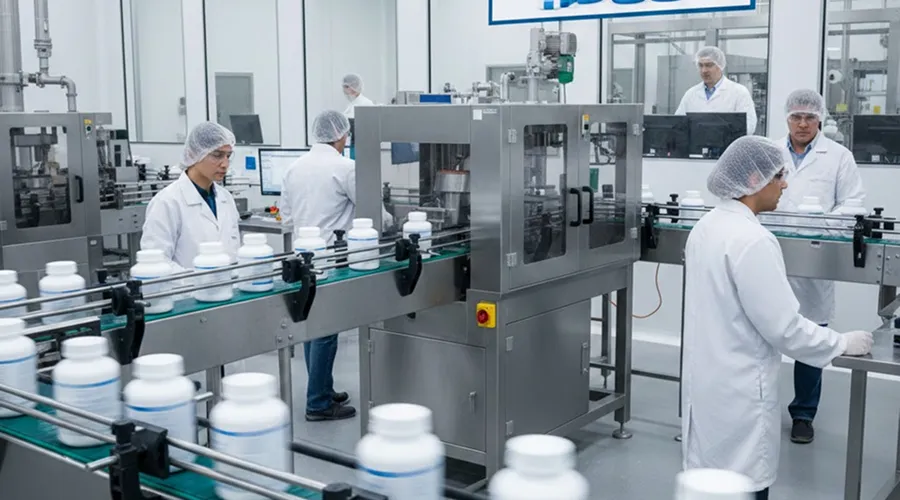
- GMP, or Good Manufacturing Practices, refers to strict controls at each step in the production process, from the manufacture of raw materials through to the delivery of finished products.
- The European Pharmacopoeia, which sets the quality standards for Europe, requires that pharmaceutical companies conduct business in accordance with its rules.
- ISO 9001, ISO 15378, and other ISO certifications are often needed to comply with global requirements and facilitate the export of goods.
Strict quality standards help a generic medicine company build long-term trust with physicians, hospitals, and authorities.
Common Challenges & How to Overcome Them
Competitive Rivalry: In India, there is fierce competition among generic drug companies. To stand out, focus on specialized products and distinctive branding.
Complexity of Regulation: Compliance and licensing can be confusing. Your generic pharmaceutical company can maintain compliance by hiring seasoned regulatory advisers.
Pressure on Prices: Generic medications frequently have low profit margins. Profitability is maintained through volume-based expansion and effective supply chain management.
Future Opportunities for Generic Medicine Companies in India
All generic pharmaceutical company in India have an auspicious future. Analysts project India’s generic drug market to reach USD 24.91 billion by 2024 and grow at a CAGR of 6.02% from 2025 to 2030, reaching around USD 35.62 billion.
Cost-effectiveness, rising demand for affordable medicines, and a large pharmaceutical manufacturing base are the major growth drivers of the Indian generic drug market. The Indian generic drug industry produces high-quality generic drugs at low cost, thanks to its rich pool of talent, an optimal regulatory framework, and low production costs. The market for generic drugs is expanding amid the country’s continued focus on R&D and growing emphasis on exports.
Government incentives, such as price controls and local production subsidies, support market growth. The Indian generic drugs market will continue to grow steadily and innovatively in the near future as demand for affordable, accessible healthcare rises.
Conclusion
Kickstarting a generic pharmaceutical company is a rewarding and noble goal. With the right combination of business plan, licences, quality, and marketing strategy, you can start your own successful generic pharmaceutical company in India.
As health care costs soar, demand for generic pharmaceuticals will increase. Long-term success hinges on being diligent in planning and compliance, no matter how big a generic medicine company you want to establish in India.
FAQs: How to Start a Generic Pharmaceutical Company in India
What is a generic pharmaceutical company?
A generic pharmaceutical company manufactures or markets medicines that are equivalent to branded drugs but sold at a lower cost.
Is a license required to start a generic pharma company in India?
Yes, licenses from the State Drug Control Department and approvals under the Drugs and Cosmetics Act are mandatory.
What is the minimum investment required to start a generic pharma company?
The investment varies based on business model, but costs include licensing, manufacturing or third-party production, marketing, and compliance.
Can I start a generic pharma company without my own manufacturing unit?
Yes, many companies begin through third-party or contract manufacturing to reduce initial capital investment.
Which regulatory bodies govern generic pharmaceutical companies in India?
Key authorities include CDSCO, State Drug Controllers, and the Ministry of Health and Family Welfare.
What documents are required to register a generic pharma company?
Common documents include company registration, drug license, GST registration, and product approvals.
What are the key challenges in starting a generic pharma company?
Regulatory compliance, quality control, market competition, and distribution setup are common challenges.