Delivering safe and effective medicines to patients is at the very heart of modern healthcare, and none of this would be possible without a robust and well-managed pharmaceutical supply chain. With new medicines continually emerging and patient demand rising, the stakes for reliable pharma logistics have never been higher. An end-to-end (E2E) pharmaceutical supply chain goes far beyond simply “shipping and receiving.” It involves a tightly connected process, from sourcing raw materials and manufacturing to storage, transport, and finally reaching hospitals, clinics, and pharmacies.
In this article, we’ll explore why warehousing and distribution are now considered mission-critical elements of pharma supply chains, look at the innovations shaping the industry, and offer guidance on optimizing operations for safety, flexibility, and growth.
What Is an End-to-End Pharmaceutical Supply Chain?
An end-to-end pharmaceutical supply chain is the complete process of sourcing raw materials, manufacturing medicines, storing them in compliant pharmaceutical warehousing facilities, and distributing them through regulated logistics networks to pharmacies, hospitals, and patients, while ensuring quality control, regulatory compliance, and cold chain integrity at every stage. The key stages include:
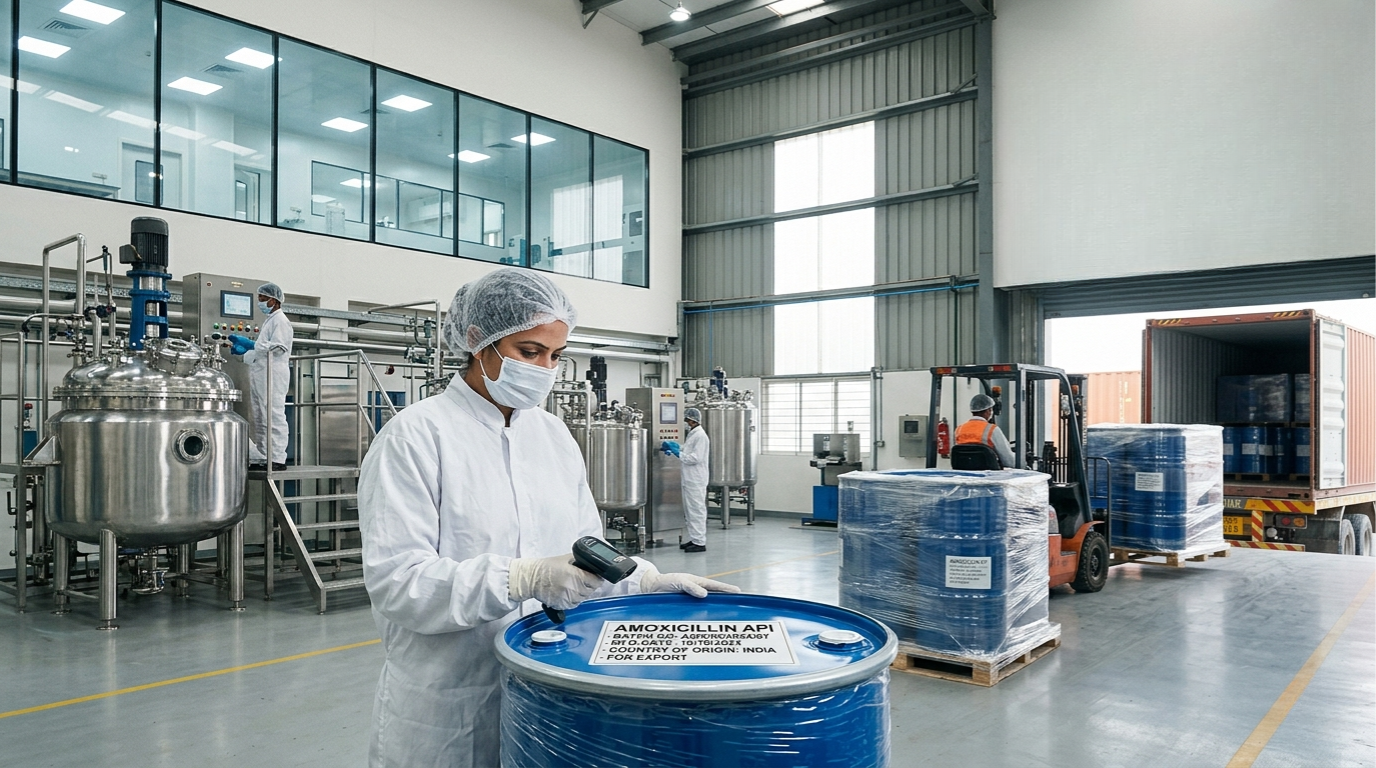
- Raw Material Procurement: The first step is to secure high-quality Active Pharmaceutical Ingredients (APIs) and excipients, which are essential for manufacturing every batch of medicine.
- Manufacturing & Packaging: Once ingredients are sourced, the second stage is that they’re transformed into finished drugs under strict regulatory oversight. Packaging is designed to keep products sterile, tamper-proof, and traceable.
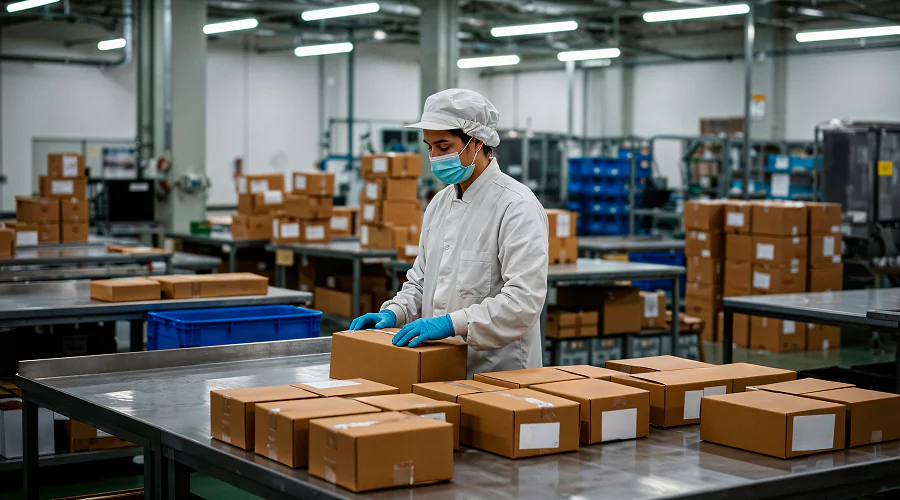
- Warehousing & Storage: Medicines are stored in specialized pharmaceutical warehouses, often equipped with temperature-controlled areas, that preserve their stability and effectiveness.
- Pharmaceutical Distribution: Finally, the products are delivered to wholesalers, pharmacies, hospitals, or directly to patients via multiple distribution networks.
This integrated supply chain approach ensures that setbacks at one stage don’t delay the entire process, minimizes product losses, and ultimately improves healthcare access for patients everywhere.
The Critical Role of Warehousing in Pharma Supply Chains
Proper warehousing is about more than storing boxes on shelves. In pharma, warehouse management means creating tightly controlled environments that keep medicines safe from contamination, theft, and extreme temperatures. Let’s break down what makes pharmaceutical warehousing unique (ref):
Types of Pharmaceutical Warehouses
- Ambient Warehouses: Maintain consistent & regulated room temperature for tablets, capsules, and liquids that don’t require refrigeration.
- Cold Chain Facilities: Essential for vaccines, biologics, and heat-sensitive medicines. These use advanced cooling systems to keep products within narrow temperature ranges, often between 2°C and 8°C.
- Hazardous Goods Warehouses: Designed for safe storage of chemicals or high-risk substances used in pharmaceutical manufacturing.
- Controlled Substance Vaults: Dedicated, access-restricted storage for narcotic and psychotropic substances as mandated under the NDPS Act in India and DEA regulations for export to the US market.
Key Functions of Pharma Warehousing
- Inventory Control & Traceability: Every product is tracked and recorded, often using barcodes or RFID tags, to ensure total transparency and prevent mix-ups or theft.
- FEFO / FIFO Inventory Rotation: First Expired, First Out (FEFO) is the gold standard in pharma warehousing; products closest to expiry are dispatched first, eliminating the risk of expired medicines reaching patients. This is distinct from standard FIFO (First In, First Out) used in general warehousing and is a core requirement under Schedule M.
- Careful Handling & Packaging: Medicines are handled with extra attention to prevent breakage, contamination, or spoilage.
- Real-Time Data Tracking: Integrated software tracks product conditions and stock movement, enabling rapid response if issues arise.
- Recall Management: Lot-level traceability is the foundation of any recall protocol. In the event of a quality failure or regulatory alert, warehouse systems must be able to identify and quarantine all affected batches within hours, not days. This is a mandatory capability under WHO-GDP and CDSCO guidelines.
Compliance and Certification: Indian & International Standards
In India, pharmaceutical warehouses must comply with a layered regulatory framework that spans both domestic and international standards:
- Schedule M (Revised) – CDSCO: The cornerstone of Indian pharmaceutical GMP regulation. Revised Schedule M specifies requirements for warehouse construction, environmental controls, documentation, and pest control for all licensed pharmaceutical facilities in India.
- WHO-GDP (Good Distribution Practice): Mandatory for export-oriented pharma companies. WHO-GDP governs how medicines are procured, held, supplied, and exported, with specific requirements for temperature mapping, qualified personnel, and self-inspection programmes.
- ISO 9001 / ISO 13485: Quality management system certifications relevant to warehousing quality assurance processes.
- EU GDP Guidelines (2013/C 68/01): Required for companies distributing to European markets. Mandates a Qualified Person for Distribution (QPD) and rigorous temperature excursion management protocols.
- Maintaining up-to-date licences and permits, employing well-trained staff, and conducting regular audits and quality checks.
Robust compliance ensures that patients can trust the medicines they receive, regardless of where they’re made or stored.
Pharmaceutical Distribution: From Plant to Patient
Distribution is the point of convergence for the whole process. This is the step where everything comes together or falls apart in the supply chain. It will decide whether the life-saving meds will arrive on time and in their ideal, most effective condition or not. These are some models of pharmaceutical distribution that companies usually follow:
Common Distribution Models
- Direct-to-Pharmacy: Manufacturers ship medicines directly to retail pharmacies or hospital dispensaries, reducing transit time and risk.
- Wholesaler/Distributor Model: Medicines go to regional hubs, then move on to retail outlets, a model that allows bulk shipping but adds extra handling steps.
- Hybrid Models: Mix elements of both to balance efficiency, safety, and coverage.
- Direct-to-Patient (DTP): An emerging model accelerated by e-pharmacy growth in India, where manufacturers or authorized 3PLs ship directly to patients. This model requires robust last-mile cold chain capability and digital prescription verification.
Importance of Cold Chain Logistics
For temperature-sensitive drugs, especially vaccines, insulin, and advanced biologics, the cold chain is absolutely critical. This network spans refrigerated storage, insulated packaging, and climate-controlled vehicles. Continuous temperature loggers compliant with ASTM D7386 must accompany every shipment, and a documented temperature excursion protocol must be in place: when a deviation is detected, a qualified person must assess whether the product remains within specifications using stability data before any release decision is made.
Challenges in Distribution
- Safeguarding high-value and sensitive products from loss, theft, or tampering
- Negotiating both centralized and regional/state-wise regulations and customs requirements, which can be overwhelming as well as time-consuming work
- Managing the “last mile,” i.e., getting medicines to remote clinics or during emergencies, where infrastructure may be lacking.
- Rising fuel and transport costs, which directly impact patients and healthcare systems
- Counterfeit and diversion risk: India’s Drug (Prices Control) Order and the upcoming track-and-trace mandate require serialization at the unit level. Warehouses must be equipped to scan and validate 2D Data Matrix codes at the point of dispatch to prevent diversion of controlled medicines.
Technology Integration in Pharma Supply Chains
Digital transformation is reshaping pharma supply chains from end to end. Here’s how technology is making a difference:
- IoT Sensors: Place wireless sensors in storage and shipping containers for 24/7 tracking of temperature, humidity, and even vibration. Any excursion outside pre-set parameters triggers an automated alert to the quality team, creating a full audit trail compliant with 21 CFR Part 11 (for US exports) and EU Annex 11.
- Blockchain: Builds an unbreakable chain of custody for every product, ensuring that counterfeit medicines can be halted before reaching patients.
- Warehouse Management Systems (WMS) & Transportation Management Systems (TMS): Automate inventory updates, streamline dispatch, and optimize delivery routes, all in real-time. A pharma-specific WMS enforces FEFO rotation automatically, generates batch-level traceability reports, and interfaces with ERP systems for seamless regulatory documentation.
- AI & Predictive Analytics: Models demand cycles, identify risk areas, and help companies anticipate shortages or spikes in orders before they occur.
- Serialisation & Track-and-Trace: Unit-level serialisation (2D DataMatrix barcoding) is now mandatory in the EU under the Falsified Medicines Directive and is being phased in for India. Warehouse systems must be capable of verifying, decommissioning, and re-commissioning serialised packs at every movement.
As more companies adopt integrated supply chain software, the result is fewer manual errors, better compliance, and faster response times in critical healthcare situations.
How GCCPL Approaches Pharmaceutical Warehousing and Distribution
Four important things to look for in selecting a warehousing partner. It’s not only a business decision, but, when it comes to pharma, because important medicines are involved, it’s absolutely necessary that one looks for a partner that carries a reputation and doesn’t compromise on compliance.
At GCCPL, warehousing is not an afterthought; it is an integrated part of our manufacturing and distribution capability. Our WHO-GMP-certified manufacturing and storage facilities are designed to maintain product integrity from synthesis of Active Pharmaceutical Ingredients (APIs) through to finished dosage form dispatch. Key pillars of our approach include:
- Regulatory compliance: All storage facilities are maintained in accordance with Schedule M (Revised), WHO-GDP, and the applicable requirements of our export destination markets, including EU GDP and US FDA cGMP guidelines.
- Cold chain integrity: Temperature-controlled zones for biologics and vaccines, with continuous monitoring and documented excursion response protocols.
- End-to-end traceability: Batch-level tracking using barcode systems, supporting recall readiness and regulatory inspection at any point in the supply chain.
- Distribution reach: Through our distribution network, we service domestic hospital and pharmacy channels as well as regulated export markets across Asia, Africa, and Europe.
Real-World Scenario: Why These Systems Matter
A very recent example for all of us would be what happened during the COVID-19 pandemic. The vaccines were so quickly rolled out to the entire country and the world using the quickly expanded rapid cold chain and digital tracking of supply chains. Without the seamless coordination between these systems, the dosages would not have reached patients before degrading, which would potentially cause more harm than good. This is a clear demonstration of how modern supply-chain management systems in pharma are important to public health.
Conclusion
A resilient, integrated pharmaceutical supply chain is the backbone of safe, reliable healthcare, especially in a world where timely access to medicines can have life-or-death consequences. When pharmaceutical companies combine efficient warehousing with tech-powered distribution and strategic partnerships, they lay the groundwork for better patient outcomes, lower risk, and compliance with evolving regulations.
As the demand for cold chain pharmaceuticals grows and technology advances, the companies that invest in robust supply chain solutions today are the ones most likely to deliver tomorrow’s breakthroughs.
FAQs
What is an end-to-end supply chain in pharmaceuticals?
It’s a start-to-finish process that involves managing everything from sourcing the raw materials, processing them into medicines, storing them in warehouses, shipping them under non-compromising conditions, and the final delivery to the patient, while ensuring that the meds reach the patient in their most effective form without any quality compromise.
Why is warehousing critical in the pharmaceutical supply chain?
Pharmaceutical warehousing preserves product quality through validated environmental controls, prevents contamination and cross-contamination, enforces FEFO/FIFO rotation to eliminate expiry risk, maintains lot-level traceability for recall readiness, and generates the documented audit trail required by regulators such as CDSCO, WHO, EU EMA, and the US FDA.
What certifications are needed for pharmaceutical warehousing in India?
Key certificates to obtain include WHO-GDP, ISO certification, and national drug authority approvals, which confirm that facilities meet global quality and safety standards. These certificates are to be renewed at certain intervals, so a pharma company should keep a check that its supply chain facilities are keeping up to date with their credentials.
What are the big challenges in pharma distribution?
Managing different local regulations, maintaining the cold chain for sensitive medicines, and safely delivering products to remote or underdeveloped areas.
How does technology improve pharma warehousing and logistics?
By enabling real-time tracking, reducing manual errors, predicting demand, and enhancing transparency and safety with tools like IoT, artificial intelligence, and blockchain.
What are the GMP and GDP requirements for pharmaceutical warehousing in India?
Under Schedule M (Revised) of the Drugs & Cosmetics Act, pharmaceutical warehouses in India must have defined storage areas, validated temperature and humidity controls, pest control measures, a documented recall procedure, and trained warehouse personnel. For companies distributing internationally, WHO-GDP requires a documented Quality Management System (QMS), temperature mapping of all storage areas, a Qualified Person for Distribution, and a product complaint/recall system.
What is FEFO and why is it important in pharma warehousing?
FEFO (First Expired, First Out) is an inventory management principle where products with the earliest expiry date are dispatched first, regardless of when they were received. In pharmaceutical warehousing, FEFO is critical because dispensing a near-expiry product that arrives before an earlier-received product could still mean a patient receives medicine with inadequate remaining shelf life. FEFO is mandated under Schedule M (Revised) in India and is enforced automatically in a compliant Warehouse Management System (WMS).